Diet
Dietary Fibre and Fullness: Soluble, Insoluble, and How Much You Need
Learn about the two types of dietary fibre – soluble and insoluble – and how they contribute to feeling full. Both contribute to a feeling of fullness.
Aug 7, 2026
DIRECT ANSWER
An online consultation lets an EU-licensed doctor review your case and, if appropriate, issue a prescription that is valid across the EU.
Less than 4 hours on average
Prescription issued in less than 4 hours on average if approved.
EU-licensed doctors
Every case is reviewed by a licensed clinician.
Valid across the EU
Approved prescriptions can be used at any EU pharmacy.
In this article
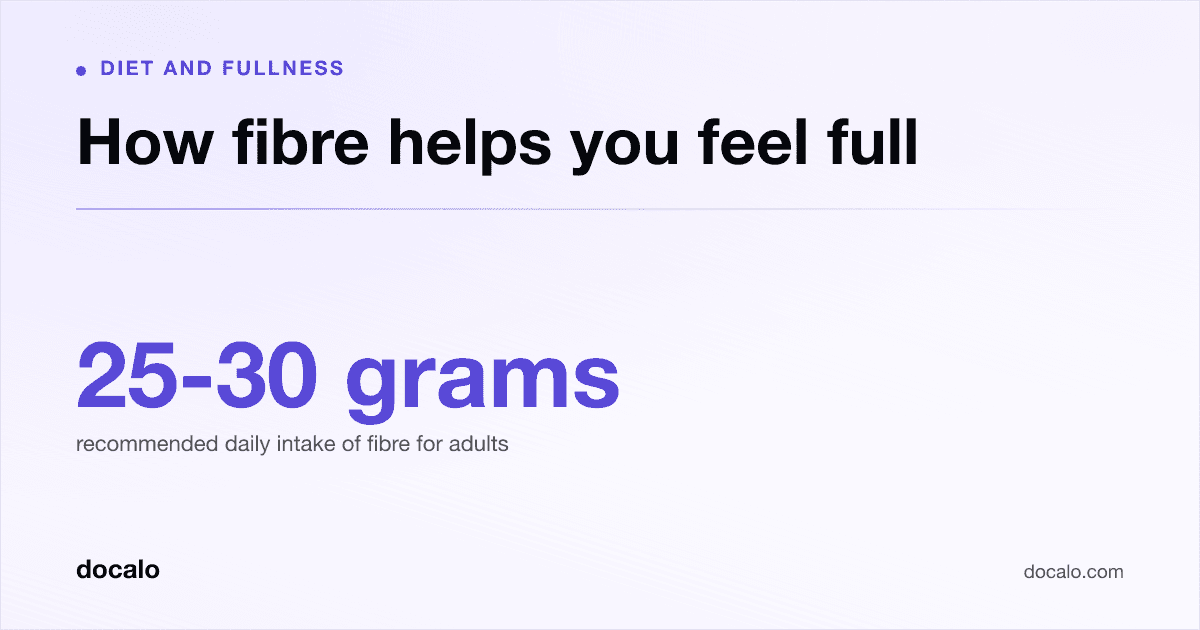
### Key Takeaways Dietary fibre is a vital component of a healthy diet, contributing to satiety and digestive well-being. There are two main types: soluble fibre (dissolves in water, forms a gel, found in oats, beans, fruits) and insoluble fibre (doesn't dissolve, adds bulk, found in whole grains, vegetables). Both types contribute to feeling full, but through different mechanisms. Most adults in Europe do not consume enough fibre; the recommended daily intake is around 25-30 grams. * Increasing fibre intake gradually and drinking plenty of water is important to avoid digestive discomfort.
A licensed doctor reviews your questionnaire and decides if treatment is appropriate for you.
Start consultationDietary fibre is a powerhouse nutrient often overlooked, yet it plays a fundamental role in our health, particularly when it comes to managing appetite and promoting a feeling of fullness. Understanding the different types of fibre and how much you need can empower you to make informed dietary choices that support your well-being.
What is Dietary Fibre?
Dietary fibre refers to the parts of plant foods that your body can't digest or absorb. Unlike fats, proteins, or carbohydrates, fibre passes relatively intact through your stomach, small intestine, and colon, and out of your body. Despite its indigestibility, fibre is far from useless. It performs several vital functions, from regulating bowel movements to helping control blood sugar levels and, crucially, contributing to satiety.
The Two Main Types of Fibre: Soluble and Insoluble
Fibre isn't a single substance; it's a broad term encompassing various plant compounds, primarily categorised into two main types based on their solubility in water:
Soluble Fibre
Soluble fibre dissolves in water to form a gel-like substance. This gel has several important effects on your digestive system and overall health:
- Slows Digestion: By forming a gel, soluble fibre slows down the emptying of your stomach and the movement of food through your digestive tract. This extended digestion time is a key factor in promoting a feeling of fullness.
- Helps Regulate Blood Sugar: The slower digestion also means that sugars are absorbed more gradually, which can help prevent sharp spikes in blood glucose levels.
- Lowers Cholesterol: Soluble fibre can bind to cholesterol particles in your digestive system, preventing their absorption and helping to reduce levels of LDL (bad) cholesterol.
- Feeds Gut Bacteria: Soluble fibre acts as a prebiotic, fermenting in the large intestine and feeding beneficial gut bacteria. These bacteria produce short-chain fatty acids, which have various health benefits.
Common sources of soluble fibre include: oats, barley, nuts, seeds, beans, lentils, peas, and many fruits (like apples, citrus fruits, and berries) and vegetables (like carrots and broccoli).
Insoluble Fibre
Insoluble fibre, as its name suggests, does not dissolve in water. Instead, it passes through your digestive system largely intact, adding bulk to your stool. This bulk has several important functions:
- Promotes Regularity: By adding bulk, insoluble fibre helps to move food through your digestive tract more quickly, preventing constipation and promoting regular bowel movements.
- Supports Bowel Health: The added bulk and faster transit time can help maintain a healthy colon environment.
- Contributes to Fullness: While it doesn't form a gel like soluble fibre, the bulk provided by insoluble fibre can still contribute to a feeling of fullness by physically filling the stomach and intestines.
Common sources of insoluble fibre include: whole wheat flour, wheat bran, nuts, beans, and vegetables (like green beans, cauliflower, and potatoes) and fruit skins.
It's important to note that most plant foods contain a mix of both soluble and insoluble fibre, though often one type predominates.
How Dietary Fibre Contributes to Fullness
Both types of fibre contribute to satiety, or the feeling of fullness, but through slightly different mechanisms:
- Increased Volume and Bulk: Foods rich in fibre, especially insoluble fibre, tend to be more voluminous for fewer calories. They take up more space in your stomach, sending signals of fullness to your brain.
- Slower Gastric Emptying: Soluble fibre, by forming a gel, slows down how quickly food leaves your stomach. This means you feel full for longer after a meal.
- Extended Chewing Time: Fibre-rich foods often require more chewing, which can also contribute to satiety by giving your body more time to register that you're eating and to release fullness hormones.
- Impact on Gut Hormones: Fibre, particularly soluble fibre, can influence the release of gut hormones that signal satiety to the brain, further enhancing the feeling of fullness.
- Blood Sugar Stability: By moderating blood sugar spikes, fibre helps prevent the subsequent crashes that can trigger hunger and cravings.
Incorporating more fibre into your diet can therefore be a valuable strategy for managing appetite and supporting healthy eating habits.
How Much Fibre Do You Need?
Despite the clear benefits, many people in Europe do not consume enough dietary fibre. The general recommendation for adults is to aim for approximately 25 to 30 grams of fibre per day. Children and adolescents also need adequate fibre, with recommendations varying by age.
To put this into perspective, here are some examples of fibre content in common foods:
- 1 medium apple with skin: ~4 grams
- 1/2 cup cooked black beans: ~7-8 grams
- 1 slice whole-wheat bread: ~2 grams
- 1/2 cup cooked oats: ~4 grams
- 1 cup broccoli: ~5 grams
Achieving 25-30 grams daily requires conscious effort and a focus on whole, unprocessed foods.
Practical Tips for Increasing Your Fibre Intake
Increasing your fibre intake doesn't have to be complicated. Here are some simple strategies:
- Start Your Day with Fibre: Choose whole-grain cereals, oatmeal, or add fruit and seeds to your yogurt.
- Embrace Whole Grains: Opt for whole-grain bread, pasta, and brown rice instead of refined versions.
- Eat More Fruits and Vegetables: Aim for a variety of colours and try to eat them with their skins on where appropriate (e.g., apples, potatoes).
- Incorporate Legumes: Add beans, lentils, and peas to soups, stews, salads, and side dishes.
- Snack Smart: Choose nuts, seeds, and fresh fruit as snacks.
- Read Food Labels: Look for foods with higher fibre content per serving.
Important Note: When increasing your fibre intake, do so gradually over several weeks. A sudden increase can lead to digestive discomfort such as bloating, gas, and cramping. Also, ensure you drink plenty of water throughout the day, as fibre needs fluid to work effectively and prevent constipation.
How Docalo can help
Understanding nutrition and making sustainable dietary changes can be challenging. Docalo offers a supportive approach to help you navigate your health journey. Our membership includes access to licensed doctors who can provide personalised guidance based on your individual health profile and goals. Through regular check-ins, secure messaging with your care team, and progress tracking, Docalo supports you in making informed decisions about your diet and lifestyle. If a doctor determines that a specific treatment or medication is appropriate for your health needs, they will discuss this with you. The monthly Docalo membership is EUR49 and includes clinician review, care-team messaging, progress tracking, refill support, and pharmacy coordination. Medication, if prescribed, is paid separately at the pharmacy. If, after a doctor's review, it is determined that treatment is not appropriate for you, you will receive a full refund.
A licensed doctor reviews every consultation and decides if treatment is appropriate for your individual situation — nothing is ever prescribed automatically.
Docalo membership is EUR49/month with ongoing medical review. If the doctor decides treatment is not appropriate, you receive a full refund.
Consult DocaloCOMMON QUESTIONS
Frequently asked questions
Soluble fibre dissolves in water to form a gel, slowing digestion and helping regulate blood sugar and cholesterol. Insoluble fibre does not dissolve; it adds bulk to stool, promoting regularity and aiding digestion. Both contribute to a feeling of fullness.