Weight loss
Gallstones and Rapid Weight Loss: Understanding the Risk and How to Lower It
Understand the link between rapid weight loss and gallstones. Learn about symptoms, risk factors, and effective strategies to prevent gallstone formation.
Aug 7, 2026
DIRECT ANSWER
An online consultation lets an EU-licensed doctor review your case and, if appropriate, issue a prescription that is valid across the EU.
Less than 4 hours on average
Prescription issued in less than 4 hours on average if approved.
EU-licensed doctors
Every case is reviewed by a licensed clinician.
Valid across the EU
Approved prescriptions can be used at any EU pharmacy.
In this article
HOW IT WORKS
From consultation to collection
- 1
Step 1
Consultation
Answer a secure medical questionnaire online.
- 2
Step 2
Doctor reviews
An EU-licensed doctor personally assesses your case.
- 3
Step 3
Prescription in less than 4 hours on average
If approved, your prescription is issued in less than 4 hours on average.
- 4
Step 4
Collect at any EU pharmacy
Use an approved prescription at a pharmacy anywhere in the EU.
### Key Takeaways Rapid weight loss, especially losing more than 1.5 kg per week, significantly increases the risk of developing gallstones. Gallstones form when there's an imbalance in bile composition, often due to changes in cholesterol and bile salts during rapid weight loss. Symptoms can include sudden, intense pain in the upper right abdomen, nausea, vomiting, and jaundice. Strategies to lower your risk include gradual weight loss, regular meals, adequate hydration, and a balanced diet. * If you experience symptoms, it's crucial to seek medical advice promptly.
A licensed doctor reviews your questionnaire and decides if treatment is appropriate for you.
Start consultationLosing weight can be a positive step towards improving your health. However, when weight loss occurs very quickly, it can sometimes lead to unexpected health complications, one of which is the formation of gallstones. Understanding the connection between rapid weight loss and gallstone formation is crucial for anyone embarking on a weight management journey. This article will explore why this risk exists, what symptoms to look out for, and practical steps you can take to minimize your chances of developing gallstones.
What Are Gallstones?
Gallstones are hardened deposits of digestive fluid that can form in your gallbladder, a small, pear-shaped organ located just beneath your liver. The gallbladder's primary role is to store and concentrate bile, a digestive fluid produced by the liver that helps break down fats in the small intestine. When the components of bile—cholesterol, bile salts, and bilirubin—become imbalanced, gallstones can form. They can range in size from a grain of sand to a golf ball.
There are two main types of gallstones:
- Cholesterol gallstones: These are the most common type, often yellow-green in color, and are primarily made of hardened cholesterol.
- Pigment gallstones: These are darker and smaller, composed of bilirubin.
The Link Between Rapid Weight Loss and Gallstones
While weight loss generally improves health, losing weight too quickly can disrupt the delicate balance of your digestive system, specifically affecting bile composition and gallbladder function. Here's why:
1. Increased Cholesterol in Bile
When you lose weight rapidly, your body breaks down fat stores at an accelerated rate. This process can lead to the liver releasing more cholesterol into the bile. An excess of cholesterol in the bile makes it more likely to crystallize and form stones.
2. Reduced Gallbladder Contractions
During periods of rapid weight loss, especially with very low-calorie diets or prolonged fasting, the gallbladder may not contract as frequently or as effectively as it should. Regular contractions are essential for emptying the gallbladder and preventing bile from becoming too concentrated. When bile sits in the gallbladder for too long, it can become supersaturated, increasing the risk of stone formation.
3. Changes in Bile Acid Pool
Rapid weight loss can also alter the balance of bile acids, which are crucial for keeping cholesterol dissolved in bile. A reduction in the bile acid pool can further contribute to cholesterol supersaturation and gallstone development.
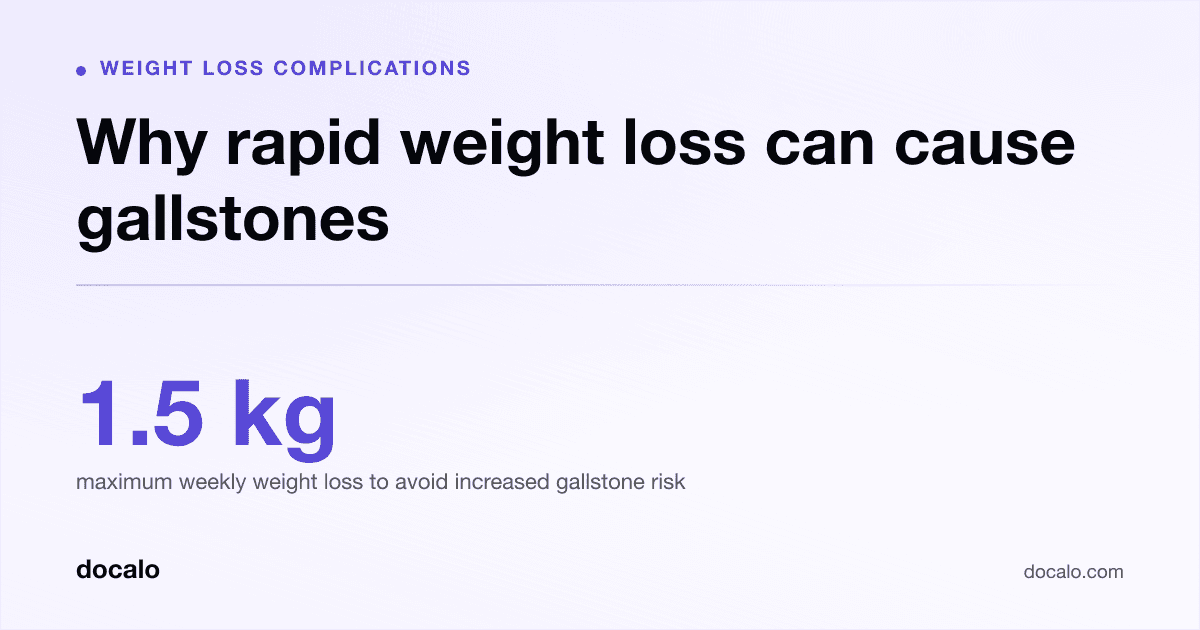
Studies have shown that individuals who lose more than 1.5 kg (approximately 3 pounds) per week are at a significantly higher risk of developing gallstones. This risk is particularly elevated in the first few months of rapid weight loss.
Symptoms of Gallstones
Many people with gallstones don't experience any symptoms, and the stones are often discovered incidentally during imaging tests for other conditions. However, when gallstones block a bile duct, they can cause a sudden and intensifying pain known as a "gallbladder attack" or biliary colic. Symptoms can include:
- Sudden and rapidly intensifying pain in the upper right portion of your abdomen.
- Pain in the center of your abdomen, just below your breastbone.
- Back pain between your shoulder blades.
- Pain in your right shoulder.
- Nausea and vomiting.
These attacks can last from several minutes to a few hours. Other, less common symptoms that may indicate a more serious complication include:
- Yellowing of your skin and the whites of your eyes (jaundice).
- High fever with chills.
- Dark urine or light-colored stools.
If you experience any of these severe symptoms, it's important to seek medical attention immediately.
How to Lower Your Risk of Gallstones During Weight Loss
While the risk of gallstones during weight loss is real, there are several strategies you can employ to minimize your chances of developing them:
1. Aim for Gradual Weight Loss
This is perhaps the most critical recommendation. Instead of drastic, rapid weight loss, aim for a steady and sustainable pace of 0.5 to 1 kg (1 to 2 pounds) per week. This allows your body to adjust more slowly and reduces the sudden changes in bile composition and gallbladder function that contribute to stone formation.
2. Eat Regular Meals
Skipping meals or prolonged fasting can lead to bile stagnation in the gallbladder. Eating regular, smaller meals throughout the day can help stimulate gallbladder contractions and ensure bile is regularly emptied, preventing it from becoming overly concentrated.
3. Include Healthy Fats in Your Diet
While it might seem counterintuitive, consuming a moderate amount of healthy fats (such as those found in olive oil, avocados, and nuts) with meals can stimulate gallbladder contractions, helping to prevent bile from pooling. Very low-fat diets can sometimes exacerbate the problem by not providing enough stimulus for the gallbladder to empty.
4. Stay Hydrated
Drinking plenty of water throughout the day is important for overall health, including digestive function. Adequate hydration can help maintain the fluidity of bile and prevent its concentration.
5. Choose a Balanced Diet
Focus on a diet rich in fiber from fruits, vegetables, and whole grains. Fiber can help improve gut motility and may play a role in bile acid metabolism. Limiting refined carbohydrates and sugary foods can also be beneficial.
6. Consider Professional Guidance
If you are planning significant weight loss, especially if you have existing risk factors for gallstones (such as a family history, being female, or being over 40), discussing your weight loss plan with a healthcare professional is advisable. They can help you create a safe and effective strategy.
When to See a Doctor
If you are experiencing symptoms that you suspect might be related to gallstones, it is important to consult a doctor. They can diagnose gallstones through various tests, including ultrasound, CT scans, or blood tests. Depending on the severity and frequency of your symptoms, treatment options can range from watchful waiting to medication or, in some cases, surgical removal of the gallbladder (cholecystectomy).
Remember, your health is paramount. While weight loss offers many benefits, it's essential to pursue it in a way that minimizes potential risks. By understanding the link between rapid weight loss and gallstones and adopting preventative strategies, you can work towards your health goals more safely.
How Docalo can help
Docalo offers a comprehensive approach to weight management, providing you with continuous support and guidance from licensed medical professionals. For EUR49 per month, your Docalo membership includes regular clinician reviews, direct messaging with your care team, progress tracking tools, and assistance with prescription refills and pharmacy coordination. A licensed doctor will assess your individual health profile and decide if treatment is appropriate for you. If a doctor determines that treatment is not suitable, you will receive a full refund for your membership.
Docalo membership is EUR49/month with ongoing medical review. If the doctor decides treatment is not appropriate, you receive a full refund.
Consult DocaloCOMMON QUESTIONS
Frequently asked questions
Yes, rapid weight loss, especially losing more than 1.5 kg (approximately 3 pounds) per week, significantly increases your risk of developing gallstones. This is due to changes in bile composition and reduced gallbladder contractions.