Weight loss
Menopause and Weight: Understanding the Changes and Finding Support
Understand weight changes during menopause: hormonal shifts & metabolic factors. Menopause often brings changes in body weight.
Aug 8, 2026
DIRECT ANSWER
An online consultation lets an EU-licensed doctor review your case and, if appropriate, issue a prescription that is valid across the EU.
Less than 4 hours on average
Prescription issued in less than 4 hours on average if approved.
EU-licensed doctors
Every case is reviewed by a licensed clinician.
Valid across the EU
Approved prescriptions can be used at any EU pharmacy.
In this article
HOW IT WORKS
From consultation to collection
- 1
Step 1
Consultation
Answer a secure medical questionnaire online.
- 2
Step 2
Doctor reviews
An EU-licensed doctor personally assesses your case.
- 3
Step 3
Prescription in less than 4 hours on average
If approved, your prescription is issued in less than 4 hours on average.
- 4
Step 4
Collect at any EU pharmacy
Use an approved prescription at a pharmacy anywhere in the EU.
Menopause can significantly impact a woman's body, and one common concern is menopause weight gain. This article will explain the physiological reasons behind these changes, including hormonal shifts and metabolic alterations. We'll also explore practical strategies, from dietary adjustments to physical activity, that can help manage weight effectively during and after menopause. Understanding these factors is the first step toward making informed health decisions.
A licensed doctor reviews your questionnaire and decides if treatment is appropriate for you.
Start consultationThe Hormonal Landscape of Menopause and Weight
Menopause marks the end of a woman's reproductive years, characterized by a natural decline in reproductive hormones, primarily estrogen. This hormonal shift is a key driver behind many of the physical and emotional changes experienced during this period, including those related to body weight and composition. The reduction in estrogen levels can influence how the body stores fat, often leading to an increase in abdominal fat rather than fat accumulation in the hips and thighs, which was more common during pre-menopausal years.
Beyond direct fat distribution, estrogen plays a role in regulating metabolism and appetite. Lower estrogen levels can affect insulin sensitivity, potentially leading to higher blood sugar levels and increased fat storage. It can also influence the production of hormones that control hunger and satiety, making it harder to manage food intake. These complex interactions highlight why weight management during menopause can feel different and more challenging than at other times in life.
Estrogen's Role in Fat Distribution and Metabolism
Estrogen is not just a reproductive hormone; it has widespread effects throughout the body, including on metabolic processes. Before menopause, higher estrogen levels tend to promote a gynoid (pear-shaped) fat distribution, where fat is stored primarily in the hips, thighs, and buttocks. As estrogen declines, there's a shift towards an android (apple-shaped) fat distribution, with increased fat accumulation around the abdomen. This central adiposity is not just a cosmetic concern; it's associated with a higher risk of metabolic syndrome, heart disease, and type 2 diabetes.
Furthermore, estrogen influences energy expenditure and fat oxidation. Its decline can lead to a slight decrease in resting metabolic rate, meaning the body burns fewer calories at rest. This, combined with potential changes in appetite regulation, can create an environment where weight gain becomes more likely, even without significant changes in diet or activity levels. Understanding these underlying hormonal shifts is crucial for developing effective weight management strategies.
Metabolic Changes and Lifestyle Factors
While hormonal shifts are central, menopause also coincides with other metabolic changes and lifestyle factors that contribute to weight alterations. The natural aging process itself can lead to a decrease in muscle mass, a phenomenon known as sarcopenia. Muscle tissue is more metabolically active than fat tissue, meaning it burns more calories. A reduction in muscle mass can therefore further lower the resting metabolic rate, making it easier to gain weight and harder to lose it.
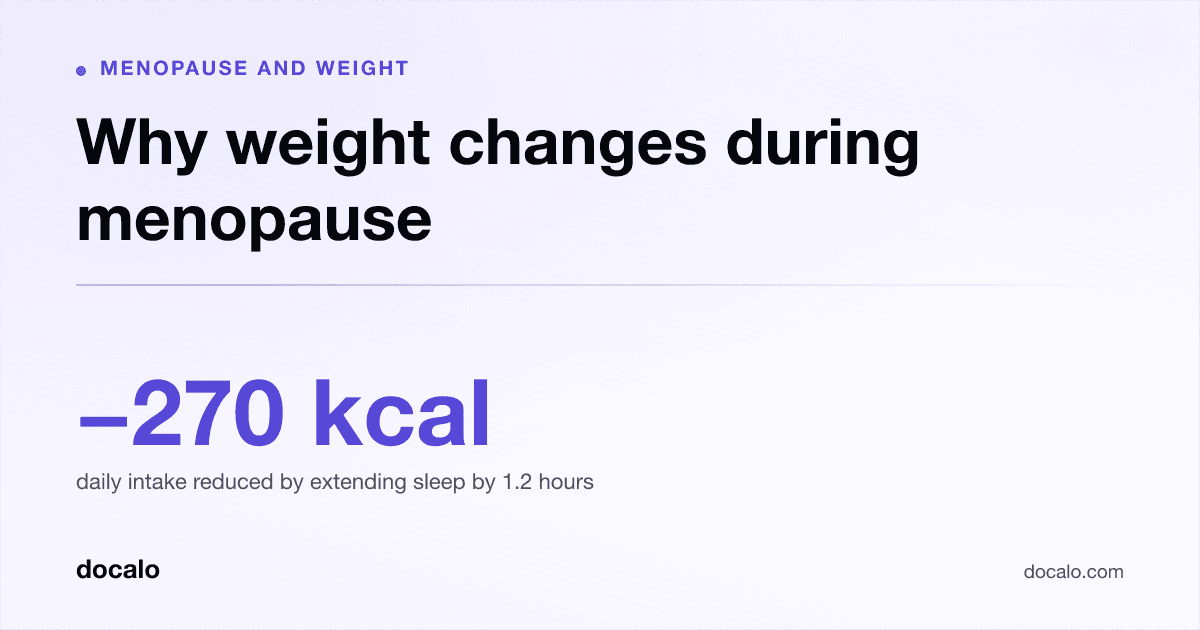
Lifestyle factors also play a significant role. Sleep disturbances, which are common during menopause due to hot flashes and night sweats, can impact hormones that regulate appetite, such as ghrelin and leptin, potentially leading to increased hunger and cravings. Stress, another common companion of this life stage, can also influence weight through its effects on cortisol levels, which can promote abdominal fat storage. Dietary habits and physical activity levels, if not adjusted to these new physiological realities, can exacerbate weight gain.
The Impact of Age on Metabolism and Muscle Mass
As we age, our bodies naturally undergo various changes. Beyond hormonal shifts, there's a general tendency for metabolic rate to slow down. This is partly due to the aforementioned loss of muscle mass. Maintaining muscle mass through strength training becomes increasingly important during and after menopause, not only for metabolic health but also for bone density and overall functional strength. The table below illustrates how metabolic rate can change with age and the impact of muscle mass.
| Factor | Pre-Menopause (Approx. Age 30-45) | Post-Menopause (Approx. Age 50+) | Impact on Weight Management |
|---|---|---|---|
| Resting Metabolic Rate | Higher | Lower | Easier to gain weight |
| Muscle Mass | Generally stable/higher | Tends to decrease | Reduced calorie burning |
| Fat Distribution | Gynoid (hips/thighs) | Android (abdomen) | Increased health risks |
| Hormonal Influence | Estrogen-dominant | Estrogen-deficient | Metabolic shifts |
This table highlights the physiological shifts that necessitate a re-evaluation of diet and exercise strategies to effectively manage weight during menopause.
Practical Strategies for Weight Management
Managing weight during menopause requires a holistic approach that addresses hormonal changes, metabolic shifts, and lifestyle factors. It's not about drastic measures but rather sustainable adjustments that support overall health and well-being. Focusing on nutrient-dense foods, regular physical activity, adequate sleep, and stress management can make a significant difference.
Dietary Adjustments
- Prioritize Protein: Including sufficient protein in your diet can help preserve muscle mass and promote satiety, reducing overall calorie intake. Lean meats, fish, eggs, legumes, and dairy are excellent sources.
- Increase Fiber Intake: Foods rich in fiber, such as fruits, vegetables, and whole grains, can aid digestion, help you feel fuller for longer, and support stable blood sugar levels.
- Choose Healthy Fats: Incorporate healthy fats from sources like avocados, nuts, seeds, and olive oil. These are important for hormone production and can contribute to satiety.
- Mindful Eating: Paying attention to hunger and fullness cues, eating slowly, and savoring meals can help prevent overeating and improve digestion.
- Limit Processed Foods and Sugary Drinks: These often contain empty calories, unhealthy fats, and added sugars that contribute to weight gain and can negatively impact metabolic health.
The Role of Physical Activity
Regular physical activity is crucial for weight management during menopause. It helps burn calories, build and maintain muscle mass, improve metabolic health, and reduce stress. A balanced exercise routine should include:
- Strength Training: Incorporate weightlifting or bodyweight exercises at least two to three times a week. This is vital for preserving muscle mass and boosting your metabolic rate.
- Cardiovascular Exercise: Aim for at least 150 minutes of moderate-intensity aerobic activity (e.g., brisk walking, cycling, swimming) or 75 minutes of vigorous-intensity activity per week. This helps burn calories and improves cardiovascular health.
- Flexibility and Balance: Activities like yoga or Pilates can improve flexibility, balance, and core strength, which are important for overall well-being and injury prevention.
Lifestyle Modifications
Beyond diet and exercise, several lifestyle factors can influence weight during menopause:
- Adequate Sleep: Aim for 7-9 hours of quality sleep per night. Poor sleep can disrupt appetite-regulating hormones and increase cravings.
- Stress Management: Practice stress-reducing techniques such as meditation, deep breathing exercises, or spending time in nature. Chronic stress can impact cortisol levels and contribute to abdominal fat storage.
- Hydration: Drinking plenty of water throughout the day can support metabolism, help you feel full, and improve overall bodily functions.
When to Seek Professional Support
Navigating weight changes during menopause can be complex, and sometimes professional guidance is beneficial. If you're struggling to manage your weight despite consistent efforts, or if you have underlying health conditions, consulting with a healthcare professional can provide personalized advice and support. A doctor can help rule out other medical causes for weight gain, assess your overall health, and discuss potential treatment options.
They can also offer insights into hormone therapy, if appropriate, which may help alleviate menopausal symptoms and potentially influence weight management. Additionally, a registered dietitian can provide tailored nutritional guidance, and a certified personal trainer can help develop a safe and effective exercise plan. Remember, you don't have to go through this journey alone.
How Docalo can help
Docalo offers a comprehensive approach to health and well-being, including support for managing weight during menopause. Our monthly membership, priced at EUR49, provides access to a range of services designed to empower you on your health journey. This includes a thorough clinician review, where a licensed doctor will assess your individual needs and determine if treatment is appropriate for you. If the doctor decides treatment is not suitable, you will receive a full refund.
With Docalo, you'll benefit from ongoing care-team messaging, allowing you to communicate with healthcare professionals and get your questions answered. Our platform also includes progress tracking tools to monitor your journey and celebrate your achievements. We offer refill support and pharmacy coordination to ensure a seamless experience if medication is prescribed. Please note that while the membership covers these services, any prescribed medication is paid separately at the pharmacy. Docalo is here to provide the guidance and support you need to navigate menopause with confidence.
A licensed doctor reviews every consultation and decides if treatment is appropriate for your individual situation — nothing is ever prescribed automatically.
Docalo membership is EUR49/month with ongoing medical review. If the doctor decides treatment is not appropriate, you receive a full refund.
Consult DocaloCOMMON QUESTIONS
Frequently asked questions
Weight gain during menopause is often due to a combination of factors, including declining estrogen levels, which can lead to increased abdominal fat storage and changes in metabolism. Age-related muscle loss and lifestyle factors like sleep disturbances and stress also play a role.