Diet
Protein and Appetite: How Much You Need When Losing Weight
Discover how protein intake influences satiety, metabolism, and muscle preservation for effective weight management. Learn how much protein you need and.
Aug 7, 2026
DIRECT ANSWER
An online consultation lets an EU-licensed doctor review your case and, if appropriate, issue a prescription that is valid across the EU.
Less than 4 hours on average
Prescription issued in less than 4 hours on average if approved.
EU-licensed doctors
Every case is reviewed by a licensed clinician.
Valid across the EU
Approved prescriptions can be used at any EU pharmacy.
In this article
HOW IT WORKS
From consultation to collection
- 1
Step 1
Consultation
Answer a secure medical questionnaire online.
- 2
Step 2
Doctor reviews
An EU-licensed doctor personally assesses your case.
- 3
Step 3
Prescription in less than 4 hours on average
If approved, your prescription is issued in less than 4 hours on average.
- 4
Step 4
Collect at any EU pharmacy
Use an approved prescription at a pharmacy anywhere in the EU.
### Key Takeaways Protein is vital for appetite control: A higher protein intake can help you feel fuller for longer, reducing overall calorie consumption. It supports metabolism and muscle preservation: Protein helps maintain muscle mass during weight loss, which is important for a healthy metabolism. Individual needs vary: The optimal amount of protein depends on factors like age, activity level, and specific weight loss goals. Focus on diverse sources: Incorporate a variety of lean protein sources into your meals. * Consult a healthcare professional: For personalized dietary advice, especially when undergoing significant dietary changes, speak with a doctor or dietitian.
A licensed doctor reviews your questionnaire and decides if treatment is appropriate for you.
Start consultationLosing weight often involves making changes to your diet, and one of the most impactful adjustments you can make is focusing on your protein intake. Many people wonder how much protein they need for weight loss and how it affects their appetite. Protein plays a critical role in weight management, not just by providing essential nutrients but also by influencing how full you feel and how your body uses energy.
The Science Behind Protein and Satiety
One of the most significant benefits of protein for weight loss is its effect on satiety – the feeling of fullness and satisfaction after eating. When you feel full, you're less likely to overeat or snack on unhealthy foods, which can be a major hurdle in any weight loss journey.
Several mechanisms contribute to protein's superior satiating effect compared to carbohydrates and fats:
- Hormonal Response: Eating protein stimulates the release of gut hormones like cholecystokinin (CCK), glucagon-like peptide-1 (GLP-1), and peptide YY (PYY). These hormones signal to your brain that you've eaten, reducing hunger and promoting feelings of fullness. Conversely, protein can help suppress levels of ghrelin, often referred to as the "hunger hormone."
- Thermic Effect of Food (TEF): Your body expends energy to digest, absorb, and metabolize the nutrients from food. This is known as the thermic effect of food. Protein has a higher TEF than carbohydrates or fats, meaning your body burns more calories processing protein-rich meals. While this effect is relatively small, it contributes to overall energy expenditure.
- Stabilizing Blood Sugar: Protein helps to slow down the absorption of carbohydrates, leading to a more gradual rise and fall in blood sugar levels. This can prevent the rapid spikes and crashes that often trigger hunger and cravings.
Protein's Role in Muscle Preservation and Metabolism
When you lose weight, especially through calorie restriction, there's a risk of losing not just fat but also valuable muscle mass. Maintaining muscle mass is crucial for several reasons:
- Metabolic Rate: Muscle tissue is more metabolically active than fat tissue, meaning it burns more calories even at rest. Preserving muscle mass helps maintain a higher resting metabolic rate, making it easier to continue burning calories and sustain weight loss.
- Strength and Function: Adequate protein intake helps prevent muscle breakdown and supports muscle repair and growth, especially when combined with physical activity. This maintains your strength and overall physical function, which is important for daily activities and exercise.
By providing the building blocks (amino acids) for muscle repair and synthesis, protein helps your body prioritize fat loss while minimizing muscle loss during a calorie deficit.
How Much Protein Do You Need?
The optimal amount of protein for weight loss can vary significantly based on individual factors such as age, sex, activity level, current weight, and specific health goals. However, general recommendations exist.
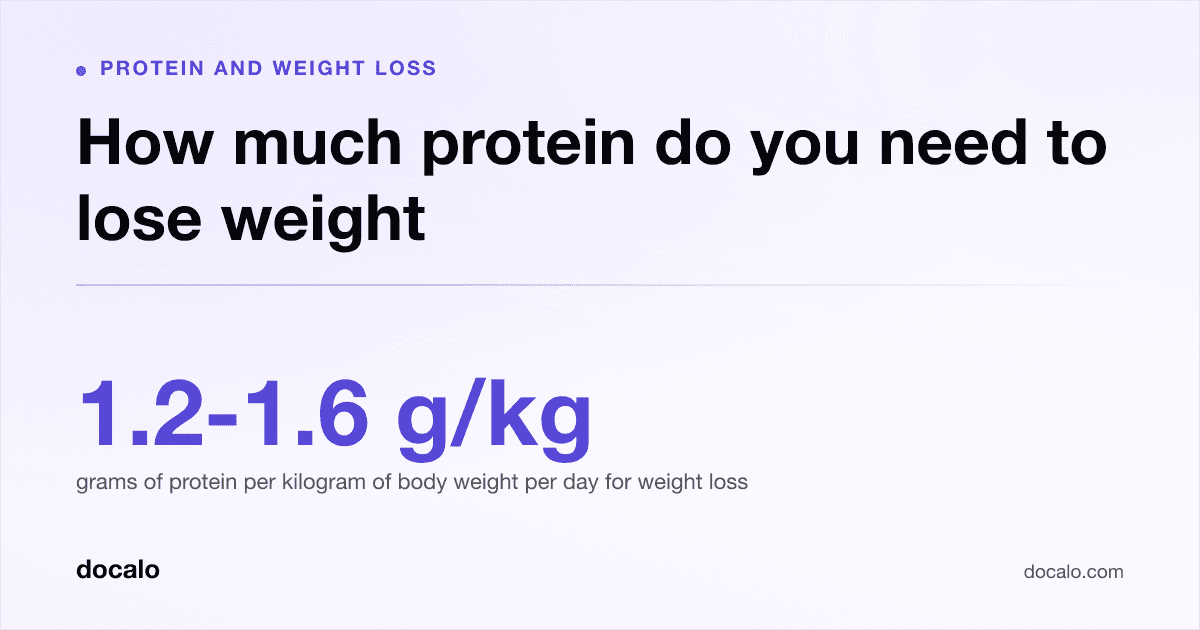
For weight loss, a common recommendation is to aim for a higher protein intake than the standard dietary reference intake. Many experts suggest consuming between 1.2 to 1.6 grams of protein per kilogram of body weight per day. For example, if you weigh 70 kilograms, this would translate to approximately 84 to 112 grams of protein daily.
Some studies suggest even higher intakes, up to 2.2 grams per kilogram of body weight, can be beneficial, particularly for individuals who are very active or are aiming for significant muscle preservation. It's often more practical to think about protein intake as a percentage of your total daily calories, with many weight loss plans recommending 25-35% of calories coming from protein.
Practical Tips for Estimating Protein Needs:
- Spread it out: Instead of consuming a large amount of protein in one meal, try to distribute your protein intake throughout the day. Aim for 20-30 grams of protein per meal and potentially a protein-rich snack.
- Listen to your body: Pay attention to how different protein levels affect your satiety and energy levels. Adjust as needed.
- Consider your activity level: If you're physically active, especially with strength training, your protein needs will likely be on the higher end of the recommended range.
Excellent Sources of Protein
Incorporating a variety of protein sources into your diet ensures you get a full spectrum of essential amino acids and other vital nutrients. Here are some excellent options:
Animal-Based Proteins:
- Lean Meats: Chicken breast, turkey, lean beef, pork loin.
- Fish and Seafood: Salmon, tuna, cod, shrimp, sardines. These also provide beneficial omega-3 fatty acids.
- Eggs: A complete protein source, versatile and affordable.
- Dairy Products: Greek yogurt, cottage cheese, milk, and cheese (choose lower-fat options where appropriate).
Plant-Based Proteins:
- Legumes: Lentils, chickpeas, black beans, kidney beans.
- Tofu and Tempeh: Versatile soy-based products that are excellent sources of protein.
- Edamame: Young soybeans, great as a snack or addition to salads.
- Nuts and Seeds: Almonds, walnuts, chia seeds, flax seeds, pumpkin seeds. While calorie-dense, they offer protein, healthy fats, and fiber.
- Whole Grains: Quinoa, oats, brown rice (contain some protein, but usually less per serving than other sources).
Incorporating Protein into Your Meals
Making protein a priority doesn't have to be complicated. Here are some simple ways to boost your intake:
- Breakfast: Start your day with protein. Think scrambled eggs, Greek yogurt with berries, or a protein smoothie.
- Lunch and Dinner: Build your meals around a lean protein source. Add chicken to your salad, include fish with your vegetables, or make a lentil soup.
- Snacks: Choose protein-rich snacks like a handful of almonds, a hard-boiled egg, cottage cheese, or a small portion of lean deli meat.
- Meal Prepping: Prepare protein sources in advance, such as grilled chicken or cooked lentils, to easily add to meals throughout the week.
Potential Considerations and When to Seek Advice
While increasing protein intake is generally safe and beneficial for most healthy adults, there are a few considerations:
- Hydration: When consuming a higher protein diet, it's important to drink plenty of water to support kidney function.
- Fiber Intake: Ensure you're also getting enough fiber from fruits, vegetables, and whole grains to support digestive health.
- Pre-existing Conditions: Individuals with certain kidney conditions or other chronic diseases should consult their doctor before significantly increasing protein intake.
If you're unsure about the right amount of protein for your specific needs, or if you have any underlying health concerns, it's always best to consult with a healthcare professional or a registered dietitian. They can provide personalized guidance tailored to your health status and weight loss goals.
Understanding nutrition is a key part of a holistic approach to health and weight management. At Docalo, we offer a monthly membership designed to support you on your health journey. For EUR49 per month, you gain access to ongoing care, including regular check-ins with a licensed doctor, secure messaging with your care team, and tools to track your progress. Our doctors can assess your individual health profile and discuss various strategies, including dietary adjustments, that may be suitable for you. A licensed doctor decides if treatment is appropriate for your individual situation. Please note that if a doctor decides that treatment is not appropriate, you will receive a full refund for your membership. Medication, if prescribed, is paid separately at the pharmacy.
How Docalo can help
Docalo connects you with licensed EU doctors through a secure online consultation. A licensed doctor reviews every consultation and decides if treatment is appropriate for your individual situation — nothing is ever prescribed automatically.
Docalo membership is EUR49/month with ongoing medical review. If the doctor decides treatment is not appropriate, you receive a full refund.
Consult DocaloCOMMON QUESTIONS
Frequently asked questions
Protein helps with weight loss primarily by increasing satiety, meaning it helps you feel fuller for longer, which can reduce overall calorie intake. It also has a higher thermic effect of food, burning more calories during digestion, and helps preserve muscle mass during calorie restriction, which is important for maintaining a healthy metabolism.