Weight loss
Understanding Abdominal Fat: Why It Accumulates and How to Address It
Learn why fat accumulates around your abdomen, the health risks associated with visceral fat, and effective, evidence-based strategies for reducing it.
Aug 7, 2026
DIRECT ANSWER
An online consultation lets an EU-licensed doctor review your case and, if appropriate, issue a prescription that is valid across the EU.
Less than 4 hours on average
Prescription issued in less than 4 hours on average if approved.
EU-licensed doctors
Every case is reviewed by a licensed clinician.
Valid across the EU
Approved prescriptions can be used at any EU pharmacy.
In this article
HOW IT WORKS
From consultation to collection
- 1
Step 1
Consultation
Answer a secure medical questionnaire online.
- 2
Step 2
Doctor reviews
An EU-licensed doctor personally assesses your case.
- 3
Step 3
Prescription in less than 4 hours on average
If approved, your prescription is issued in less than 4 hours on average.
- 4
Step 4
Collect at any EU pharmacy
Use an approved prescription at a pharmacy anywhere in the EU.
### Key Takeaways Abdominal fat is not all the same; visceral fat, which surrounds organs, is particularly concerning for health. Factors like genetics, hormones, diet, stress, and lack of physical activity contribute to abdominal fat accumulation. Reducing abdominal fat involves a holistic approach including dietary changes, regular exercise, stress management, and adequate sleep. There are no quick fixes or spot reduction methods; sustainable lifestyle changes are key. * Docalo offers a supportive platform to help you understand and manage your weight, with medical guidance from licensed doctors.
A licensed doctor reviews your questionnaire and decides if treatment is appropriate for you.
Start consultationMany people are concerned about abdominal fat, often referred to as belly fat. It's a common area for fat to accumulate, and while some fat is essential for health, excess abdominal fat, especially a type called visceral fat, can pose significant health risks. Understanding why fat collects in this particular area and what effective strategies exist to reduce it is crucial for overall well-being.
What is Abdominal Fat?
Abdominal fat isn't a single entity. It's broadly categorized into two main types:
Subcutaneous Fat
This is the fat you can pinch just under your skin. It's located between your skin and your abdominal wall. While too much subcutaneous fat can be a cosmetic concern, it's generally considered less harmful than visceral fat.
Visceral Fat
This type of fat is located deep within your abdominal cavity, surrounding your internal organs like the liver, pancreas, and intestines. Visceral fat is metabolically active, meaning it releases hormones and inflammatory substances that can negatively impact your health. High levels of visceral fat are strongly linked to an increased risk of chronic diseases.
Why Does Fat Accumulate Around the Abdomen?
The tendency for fat to gather around the midsection is influenced by a complex interplay of several factors.
Genetics
Your genetic makeup plays a significant role in determining where your body stores fat. Some individuals are genetically predisposed to store fat more readily in their abdominal region, while others might store it more in their hips and thighs.
Hormonal Changes
Cortisol: Often called the "stress hormone," cortisol levels can increase during periods of chronic stress. Elevated cortisol can lead to increased fat storage, particularly in the abdominal area.
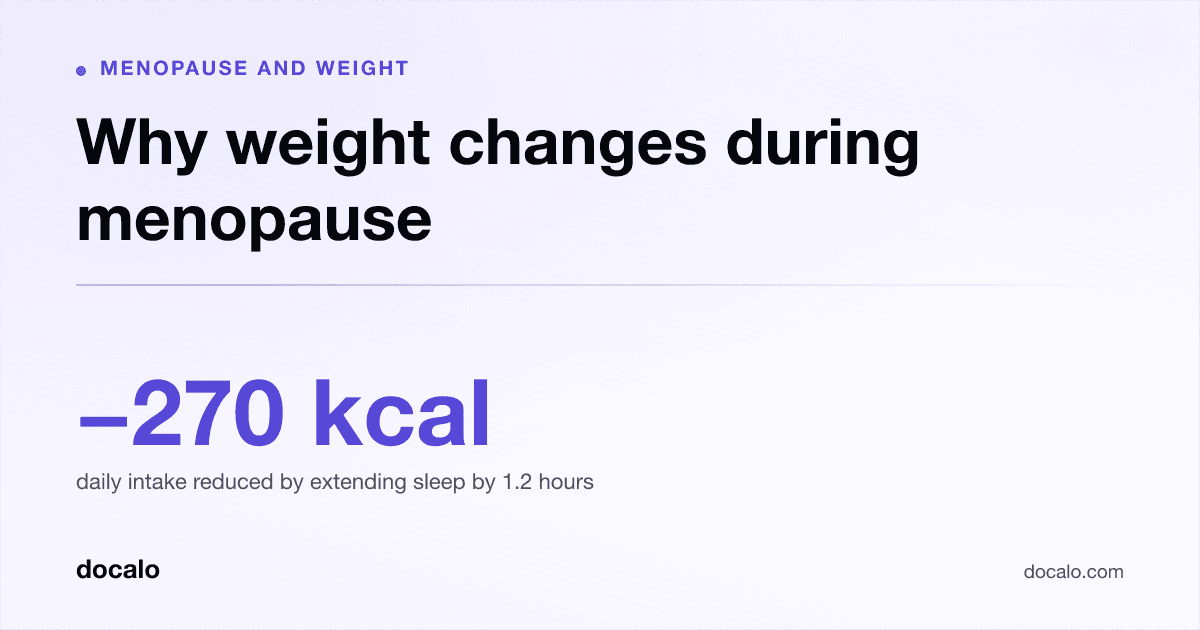
Estrogen and Testosterone: Hormonal shifts, especially during menopause for women, can influence fat distribution. As estrogen levels decline, women tend to store more fat in their abdomen rather than their hips and thighs. In men, declining testosterone levels with age can also contribute to increased abdominal fat.
Insulin: Insulin resistance, where your body's cells don't respond effectively to insulin, can lead to higher insulin levels. This can promote fat storage, especially in the abdominal region.
Diet and Lifestyle
Excess Calorie Intake: Consuming more calories than your body burns inevitably leads to weight gain, and for many, a significant portion of this excess fat ends up in the abdominal area.
Sugar and Refined Carbohydrates: Diets high in added sugars and refined carbohydrates can contribute to visceral fat accumulation. These foods often lead to spikes in blood sugar and insulin, promoting fat storage.
Trans Fats: Found in many processed foods, trans fats have been linked to increased abdominal fat and other health problems.
Alcohol Consumption: Excessive alcohol intake, particularly beer, is often associated with increased abdominal fat, sometimes referred to as a "beer belly."
Lack of Physical Activity: A sedentary lifestyle reduces calorie expenditure and can lead to muscle loss, both of which contribute to fat accumulation, including in the abdomen.
Stress and Sleep
Chronic Stress: As mentioned, chronic stress elevates cortisol, which can promote abdominal fat storage.
Insufficient Sleep: Poor sleep quality and duration can disrupt hormones that regulate appetite and metabolism, such as ghrelin and leptin, potentially leading to increased calorie intake and abdominal fat.
Health Risks Associated with Excess Abdominal Fat
Beyond aesthetics, high levels of visceral fat are linked to a range of serious health conditions, including:
- Type 2 diabetes
- Heart disease
- High blood pressure
- High cholesterol
- Stroke
- Certain cancers
- Sleep apnea
- Insulin resistance
How to Measure Abdominal Fat
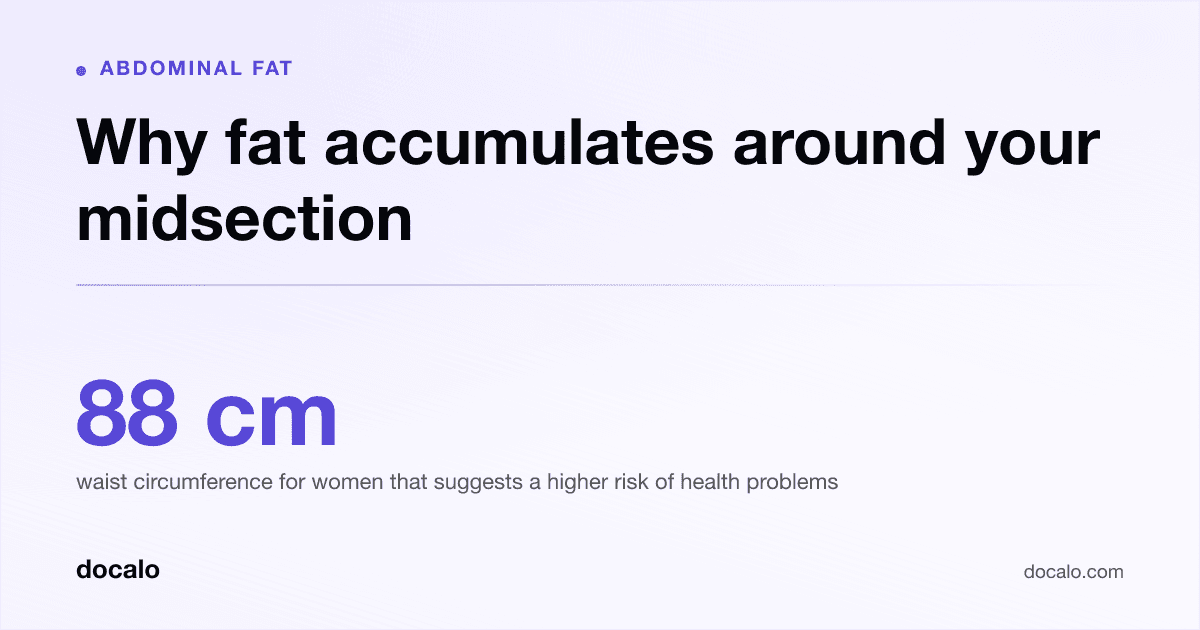
A simple way to get an indication of abdominal fat is to measure your waist circumference. Place a tape measure around your bare abdomen, just above your hip bones. For most adults, a waist circumference of more than 88 cm (35 inches) for women and more than 102 cm (40 inches) for men suggests a higher risk of health problems.
Strategies for Reducing Abdominal Fat
Reducing abdominal fat requires a comprehensive and sustainable approach. There are no quick fixes or "spot reduction" exercises that specifically target belly fat. Instead, focus on overall fat loss through healthy lifestyle changes.
1. Adopt a Balanced, Nutrient-Dense Diet
- Prioritize Whole Foods: Focus on fruits, vegetables, lean proteins, and whole grains. These foods are rich in nutrients and fiber, which can help you feel full and satisfied.
- Reduce Added Sugars and Refined Carbohydrates: Limit sugary drinks, sweets, pastries, and white bread. These contribute to calorie excess and can promote visceral fat.
- Increase Fiber Intake: Soluble fiber, found in oats, beans, apples, and citrus fruits, has been shown to help reduce visceral fat. It forms a gel-like substance in your gut, slowing digestion and promoting fullness.
- Include Lean Protein: Protein helps you feel full, preserves muscle mass during weight loss, and has a higher thermic effect (meaning your body burns more calories digesting it).
- Choose Healthy Fats: Incorporate monounsaturated and polyunsaturated fats from sources like avocados, nuts, seeds, and olive oil. Avoid trans fats.
- Control Portion Sizes: Even healthy foods can contribute to weight gain if consumed in excess. Be mindful of your portion sizes.
2. Engage in Regular Physical Activity
- Aerobic Exercise: Aim for at least 150 minutes of moderate-intensity aerobic activity or 75 minutes of vigorous-intensity activity per week. This can include brisk walking, jogging, cycling, swimming, or dancing. Aerobic exercise is particularly effective at reducing visceral fat.
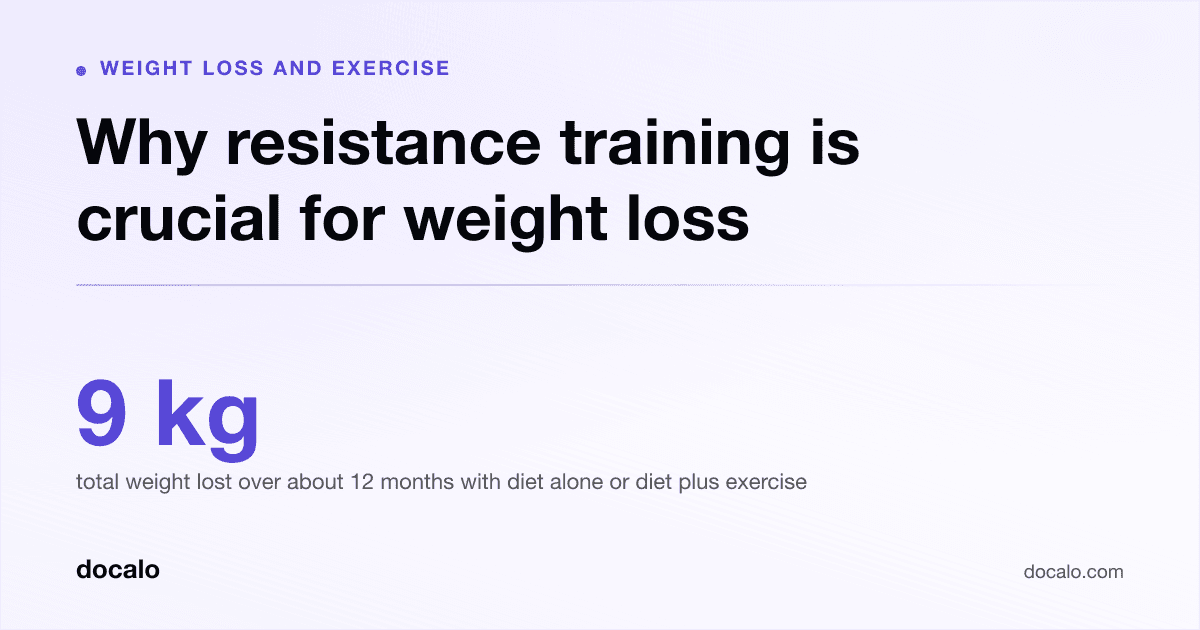
- Strength Training: Incorporate strength training exercises at least two times per week. Building muscle mass boosts your metabolism and helps burn more calories, even at rest.
- Increase Non-Exercise Activity Thermogenesis (NEAT): Look for opportunities to move more throughout the day, such as taking the stairs, walking during phone calls, or parking further away.
3. Manage Stress Effectively
- Practice Relaxation Techniques: Incorporate activities like meditation, deep breathing exercises, yoga, or spending time in nature to reduce stress levels.
- Prioritize Self-Care: Make time for hobbies and activities you enjoy to help de-stress.
- Consider Professional Support: If stress feels overwhelming, speaking with a therapist or counselor can provide valuable coping strategies.
4. Prioritize Quality Sleep
- Aim for 7-9 Hours: Most adults need 7-9 hours of quality sleep per night. Establish a consistent sleep schedule, even on weekends.
- Create a Relaxing Bedtime Routine: Wind down before bed with activities like reading, a warm bath, or gentle stretching. Avoid screens and heavy meals close to bedtime.
- Optimize Your Sleep Environment: Ensure your bedroom is dark, quiet, and cool.
5. Limit Alcohol Intake
Reducing or eliminating alcohol consumption can significantly contribute to reducing abdominal fat, as alcoholic beverages often contain empty calories and can disrupt metabolism.
6. Stay Hydrated
Drinking plenty of water throughout the day can help with satiety and overall metabolic function.
How Docalo can help
Understanding and addressing abdominal fat is a journey that often benefits from professional guidance. Docalo offers a supportive platform to help you navigate your weight management goals. Our service includes a comprehensive clinician review, where a licensed doctor will assess your individual health profile and discuss appropriate strategies. You'll have access to care-team messaging for ongoing support, progress tracking tools to monitor your journey, and assistance with refill support and pharmacy coordination if treatment is deemed appropriate. Our monthly membership is EUR49. If, after the clinician review, a licensed doctor determines that treatment is not appropriate for you, you will receive a full refund.
A licensed doctor reviews every consultation and decides if treatment is appropriate for your individual situation — nothing is ever prescribed automatically.
Docalo membership is EUR49/month with ongoing medical review. If the doctor decides treatment is not appropriate, you receive a full refund.
Consult DocaloCOMMON QUESTIONS
Frequently asked questions
Subcutaneous fat is the fat you can pinch just under your skin, while visceral fat is located deep within your abdominal cavity, surrounding your organs. Visceral fat is considered more dangerous due to its metabolic activity and association with chronic diseases.