Weight loss
Calorie Deficit: Understanding How It Works and Why It May Stop Working
Learn how a calorie deficit drives weight loss, why your body adapts over time, and common reasons for plateaus. Discover strategies for sustainable weight.
Aug 7, 2026
DIRECT ANSWER
An online consultation lets an EU-licensed doctor review your case and, if appropriate, issue a prescription that is valid across the EU.
Less than 4 hours on average
Prescription issued in less than 4 hours on average if approved.
EU-licensed doctors
Every case is reviewed by a licensed clinician.
Valid across the EU
Approved prescriptions can be used at any EU pharmacy.
In this article
HOW IT WORKS
From consultation to collection
- 1
Step 1
Consultation
Answer a secure medical questionnaire online.
- 2
Step 2
Doctor reviews
An EU-licensed doctor personally assesses your case.
- 3
Step 3
Prescription in less than 4 hours on average
If approved, your prescription is issued in less than 4 hours on average.
- 4
Step 4
Collect at any EU pharmacy
Use an approved prescription at a pharmacy anywhere in the EU.
### Key Takeaways A calorie deficit is fundamental for weight management, meaning you consume fewer calories than your body expends. Your body is highly adaptable; as you lose weight, your metabolic rate can decrease, requiring adjustments to maintain a deficit. Factors like metabolic adaptation, inaccurate tracking, non-exercise activity thermogenesis (NEAT) changes, and hormonal shifts can cause a calorie deficit to stop working. Sustainable weight management involves a holistic approach, including balanced nutrition, regular physical activity, adequate sleep, and stress management. * Consulting with healthcare professionals can provide personalised guidance and support for your weight management journey.
A licensed doctor reviews your questionnaire and decides if treatment is appropriate for you.
Start consultationUnderstanding how a calorie deficit works is a cornerstone of effective weight management. Simply put, to lose weight, your body needs to burn more calories than it consumes. This fundamental principle, often referred to as being in a calorie deficit, drives the process of your body using stored energy (like fat) for fuel.
However, many people find that their initial progress slows down or stops entirely, even when they believe they are consistently maintaining a deficit. This article will delve into the mechanics of a calorie deficit, explore why your body's response can change over time, and discuss common reasons why weight loss might stall.
What is a Calorie Deficit?
A calorie is a unit of energy. The food and drinks we consume provide calories, and our bodies use these calories for all bodily functions – from breathing and maintaining body temperature to physical activity and digestion. Your total daily energy expenditure (TDEE) is the total number of calories your body burns in a day. It comprises several components:
- Basal Metabolic Rate (BMR): The calories your body burns at rest to maintain basic life functions.
- Thermic Effect of Food (TEF): The energy expended to digest, absorb, and metabolise food.
- Non-Exercise Activity Thermogenesis (NEAT): Calories burned through everyday activities not considered structured exercise (e.g., walking, fidgeting, standing).
- Exercise Activity Thermogenesis (EAT): Calories burned during planned physical activity.
A calorie deficit occurs when your caloric intake is consistently lower than your TDEE. When this happens, your body must tap into its energy reserves, primarily stored fat, to make up the difference, leading to weight loss.
How Your Body Adapts to a Calorie Deficit
While the principle of a calorie deficit is straightforward, your body is an incredibly complex and adaptive system. It doesn't passively lose weight; it actively responds to changes in energy intake. This adaptation is a key reason why weight loss can become more challenging over time.
When you consistently consume fewer calories, your body's primary goal is to maintain homeostasis – a stable internal environment. To do this, it employs several mechanisms to conserve energy:
1. Metabolic Adaptation (Adaptive Thermogenesis)
As you lose weight, particularly body fat, your BMR naturally decreases. A smaller body requires less energy to maintain itself. Additionally, your body might become more efficient at using energy, meaning it burns fewer calories for the same activities. This phenomenon, sometimes called "metabolic slowdown" or "adaptive thermogenesis," is a protective mechanism that made sense for our ancestors during times of food scarcity. For modern weight management, it means your TDEE decreases, and the calorie deficit you initially created might shrink or disappear, even if your intake remains constant.
2. Hormonal Changes
Weight loss can also trigger changes in hormones that regulate appetite and metabolism. For example:
- Leptin: A hormone produced by fat cells that signals satiety to the brain. As fat stores decrease, leptin levels can drop, potentially increasing appetite and making you feel hungrier.
- Ghrelin: Often called the "hunger hormone," ghrelin levels can increase with weight loss, stimulating appetite.
- Thyroid hormones: These hormones play a crucial role in regulating metabolism. In some cases, prolonged calorie restriction can lead to a slight decrease in thyroid hormone production, further contributing to a reduced metabolic rate.
These hormonal shifts can make it harder to stick to a calorie-restricted diet and can increase cravings, making it feel like your body is actively working against your weight management goals.
3. Changes in Non-Exercise Activity Thermogenesis (NEAT)
Unconsciously, you might become less active in your daily life as your body tries to conserve energy. This could mean fidgeting less, taking fewer spontaneous walks, or generally moving less throughout the day without even realising it. A reduction in NEAT can significantly decrease your total daily calorie expenditure, further narrowing your calorie deficit.
Why a Calorie Deficit Might Stop Working
If you've been consistently working towards weight management and find your progress has stalled, several factors could be at play, often related to the body's adaptive responses:
1. Underestimating Calorie Intake
This is one of the most common reasons. Even with careful tracking, it's easy to underestimate the calories in portion sizes, cooking oils, sauces, snacks, or drinks. Small, consistent errors can add up, turning an intended deficit into maintenance or even a surplus over time.
2. Overestimating Calorie Expenditure
Fitness trackers and exercise machines can sometimes overestimate the calories burned during physical activity. Relying solely on these figures without cross-referencing can lead to consuming more calories than you actually burned, again shrinking your deficit.
3. Metabolic Adaptation (as discussed above)
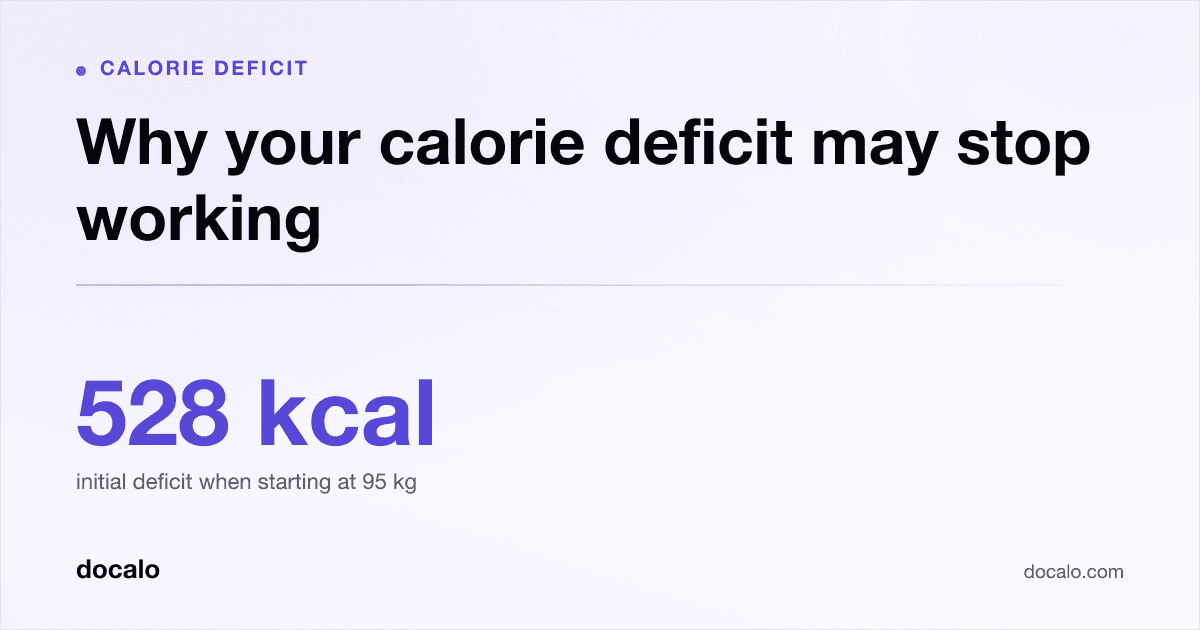
As your body weight decreases, your TDEE naturally lowers. If you don't adjust your calorie intake downwards to match your new, lower energy needs, your initial deficit will no longer be sufficient to drive further weight loss.
4. Plateauing Due to Water Weight Fluctuations
Weight loss isn't always linear. Fluctuations in water retention due to hormonal cycles, sodium intake, exercise, or even stress can mask actual fat loss on the scale, making it appear as though progress has stopped.
5. Insufficient Sleep and Increased Stress
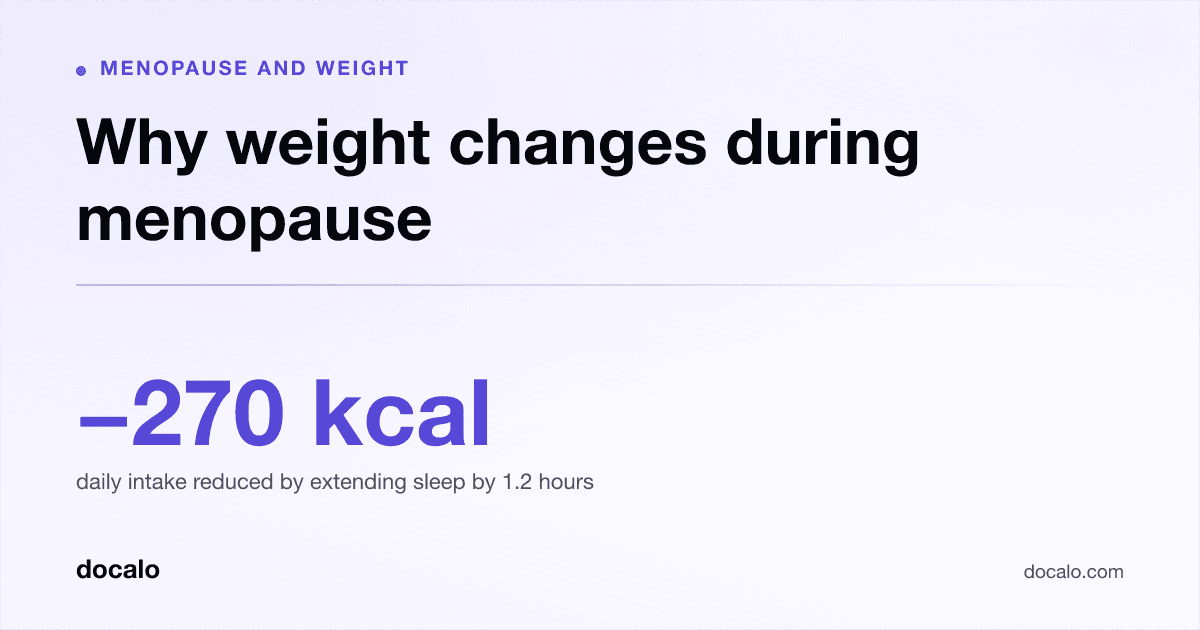
Poor sleep and chronic stress can negatively impact weight management. They can disrupt hormones like cortisol, which can promote fat storage, especially around the abdomen, and increase appetite. Lack of sleep can also reduce willpower and increase cravings for high-calorie foods.
6. Lack of Consistency
Even occasional deviations from your plan – a few extra snacks here, a larger meal there – can negate the deficit you've created during the rest of the week. Consistency over weeks and months is crucial for sustained progress.
7. Changes in Body Composition
If you're incorporating strength training, you might be gaining muscle while losing fat. Muscle is denser than fat, so your weight on the scale might not change significantly, even if your body composition is improving. This is a positive change, but it can be discouraging if you're only focused on the number on the scale.
Strategies to Support a Sustainable Calorie Deficit
If you've hit a plateau or are looking to manage your weight effectively, consider these strategies:
- Re-evaluate and Adjust Calorie Intake: Regularly recalculate your estimated TDEE as your weight changes. You may need to slightly reduce your caloric intake to maintain a deficit. Be mindful of portion sizes and track accurately.
- Prioritise Nutrient-Dense Foods: Focus on whole, unprocessed foods rich in protein, fibre, and healthy fats. Protein and fibre can help increase satiety, reducing overall calorie intake naturally.
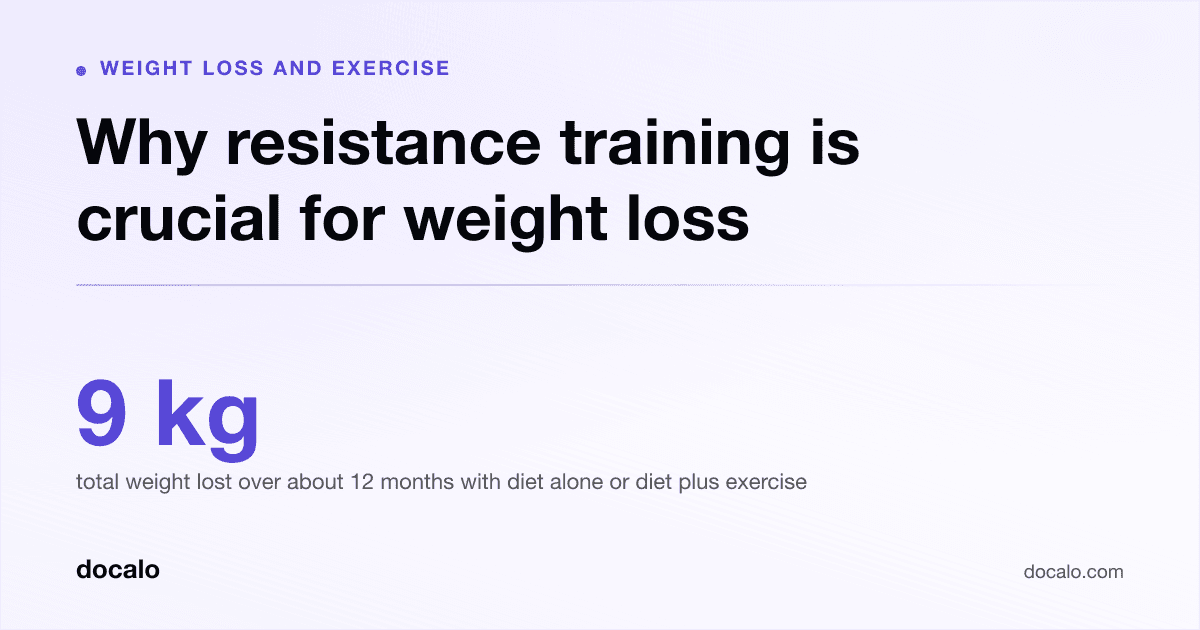
- Increase Physical Activity (Strategically): Incorporate a mix of cardiovascular exercise and strength training. Strength training helps preserve and build muscle mass, which can support a healthier metabolism. Increasing NEAT (e.g., taking the stairs, walking more) can also contribute significantly.
- Manage Stress and Improve Sleep: Implement stress-reduction techniques like mindfulness, meditation, or hobbies. Aim for 7-9 hours of quality sleep per night to support hormonal balance and overall well-being.
- Stay Hydrated: Drinking enough water can support metabolism and sometimes help manage appetite.
- Be Patient and Consistent: Weight management is a journey, not a race. Progress isn't always linear. Focus on sustainable habits rather than quick fixes.
- Seek Professional Guidance: If you're struggling, a healthcare professional can provide personalised advice, help identify underlying issues, and develop a safe and effective plan tailored to your needs.
How Docalo can help
Navigating the complexities of weight management can be challenging, but you don't have to do it alone. Docalo offers a comprehensive approach to support your journey towards sustainable weight management. Our monthly membership, priced at EUR49, provides access to a range of services designed to empower you with the tools and support you need.
With a Docalo membership, you receive a clinician review, ensuring that your health needs are assessed by a licensed doctor. This doctor will decide if treatment is appropriate for you. If, for any reason, the doctor determines that treatment is not suitable, you will receive a full refund.
Our care team messaging allows you to communicate directly with your dedicated care team, providing ongoing support and answering your questions. You can track your progress through our intuitive platform, helping you stay motivated and informed. We also offer refill support and pharmacy coordination to streamline any prescribed treatments, making your health journey as smooth as possible. Please note that while the membership covers these services, any medication, if prescribed, is paid separately at the pharmacy.
Docalo is committed to providing honest, evidence-based care, helping you understand your body's unique responses and develop strategies for long-term well-being.
Docalo membership is EUR49/month with ongoing medical review. If the doctor decides treatment is not appropriate, you receive a full refund.
Consult DocaloCOMMON QUESTIONS
Frequently asked questions
A calorie deficit means consistently consuming fewer calories than your body expends in a day. When this happens, your body uses stored energy, primarily fat, to make up the difference, leading to weight loss.