Weight loss
Protecting Muscle During Weight Loss: A Guide to Preserving Lean Tissue
Learn how to effectively protect your lean muscle mass while losing weight. Losing weight often means losing fat, but sometimes muscle can go with it.
Aug 7, 2026
DIRECT ANSWER
An online consultation lets an EU-licensed doctor review your case and, if appropriate, issue a prescription that is valid across the EU.
Less than 4 hours on average
Prescription issued in less than 4 hours on average if approved.
EU-licensed doctors
Every case is reviewed by a licensed clinician.
Valid across the EU
Approved prescriptions can be used at any EU pharmacy.
In this article
HOW IT WORKS
From consultation to collection
- 1
Step 1
Consultation
Answer a secure medical questionnaire online.
- 2
Step 2
Doctor reviews
An EU-licensed doctor personally assesses your case.
- 3
Step 3
Prescription in less than 4 hours on average
If approved, your prescription is issued in less than 4 hours on average.
- 4
Step 4
Collect at any EU pharmacy
Use an approved prescription at a pharmacy anywhere in the EU.
### Key Takeaways Prioritize Protein: Adequate protein intake is crucial for preserving muscle mass during a calorie deficit. Incorporate Strength Training: Resistance exercises signal your body to retain and even build muscle, even while losing weight. Create a Moderate Calorie Deficit: Rapid weight loss can lead to greater muscle loss; aim for a sustainable, gradual approach. Stay Hydrated and Get Enough Sleep: These foundational habits support overall body function, including muscle maintenance. * Consider Professional Guidance: A healthcare professional can help tailor a safe and effective weight loss plan that minimizes muscle loss.
A licensed doctor reviews your questionnaire and decides if treatment is appropriate for you.
Start consultationWhen embarking on a weight loss journey, the primary goal is typically to reduce body fat. However, a common concern and challenge is the potential for muscle loss during weight loss. Losing lean muscle mass can have several undesirable consequences, including a slower metabolism, reduced strength, and a less toned physique. Understanding why muscle loss occurs and, more importantly, how to prevent it, is key to achieving a healthy and sustainable body composition.
Why Does Muscle Loss Occur During Weight Loss?
Weight loss is fundamentally about creating a calorie deficit – consuming fewer calories than your body expends. When your body doesn't get enough energy from food, it starts to tap into its reserves. While fat stores are the primary target, if the deficit is too large, or if other factors aren't optimized, the body may also break down muscle tissue for energy.
Several factors contribute to muscle loss during weight loss:
1. Insufficient Calorie Intake
A very aggressive calorie deficit can signal to your body that it's in a state of starvation. In such scenarios, the body may break down muscle protein to use as an energy source, especially if carbohydrate and fat intake are too low.
2. Inadequate Protein Intake
Protein is the building block of muscle. If your diet doesn't provide enough protein while you're in a calorie deficit, your body won't have the necessary raw materials to repair and maintain muscle tissue, leading to its breakdown.
3. Lack of Resistance Training
Muscles need to be stimulated to be maintained. Without regular strength training, the body doesn't receive the signal that muscle mass is essential, making it more likely to be catabolized for energy during weight loss.
4. Rapid Weight Loss
Losing weight too quickly often correlates with a higher proportion of muscle loss compared to fat loss. A gradual, sustainable pace allows the body to adapt and prioritize fat burning.
5. Age
As we age, there's a natural tendency to lose muscle mass (sarcopenia). This process can be accelerated during weight loss if preventative measures aren't taken.
Strategies to Protect Lean Tissue During Weight Loss
Protecting your hard-earned muscle while shedding unwanted fat is entirely possible with a strategic approach. Here's how to do it:
1. Prioritize Protein Intake
This is arguably the most critical dietary factor for muscle preservation. Protein provides the amino acids necessary for muscle repair and synthesis. When in a calorie deficit, a higher protein intake helps signal to your body to hold onto muscle mass.
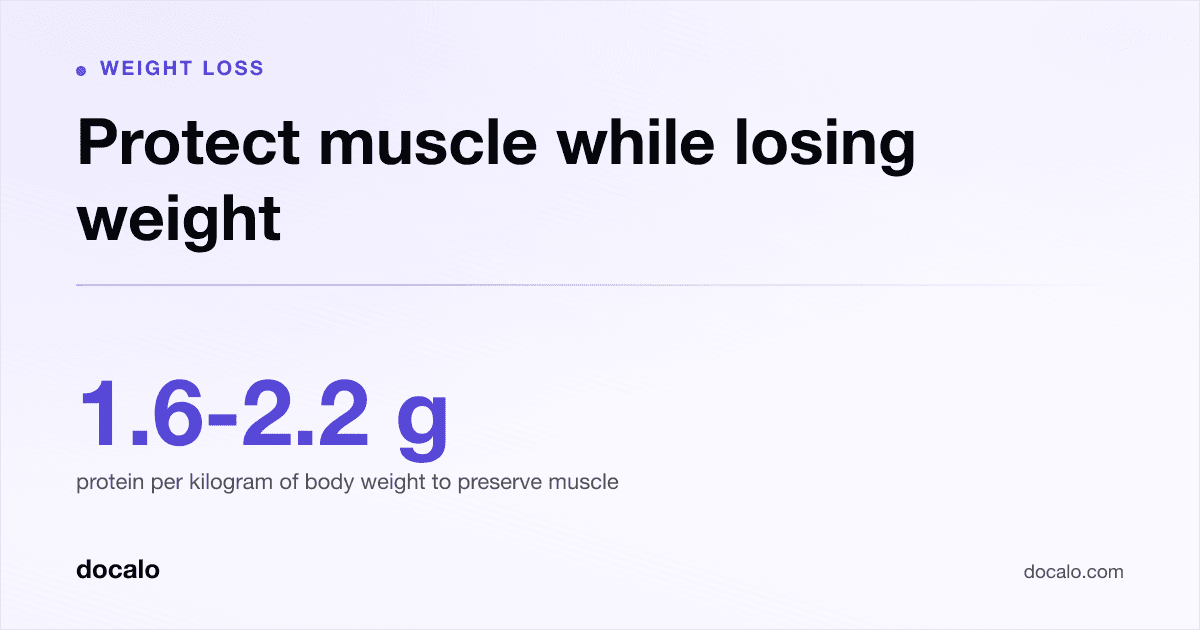
- Aim for adequate protein: While individual needs vary, a common recommendation for those looking to preserve muscle during weight loss is to consume around 1.6 to 2.2 grams of protein per kilogram of body weight per day. Spread your protein intake throughout the day across meals and snacks.
- Choose lean protein sources: Include foods like chicken breast, turkey, fish, eggs, lean beef, dairy products (Greek yogurt, cottage cheese), legumes, and plant-based protein sources (tofu, tempeh, lentils).
2. Incorporate Strength Training
Resistance exercise is a powerful stimulus for muscle maintenance and even growth, even during a calorie deficit. It tells your body that your muscles are important and need to be preserved.
- Lift weights: Aim for 2-4 strength training sessions per week, targeting all major muscle groups. This can involve free weights, resistance bands, or bodyweight exercises.
- Focus on progressive overload: Gradually increase the weight, repetitions, or difficulty of your exercises over time to continue challenging your muscles.
- Don't neglect cardio: While strength training is key for muscle, moderate cardiovascular exercise is important for overall health and can contribute to a calorie deficit without excessively impacting muscle, especially if protein intake is sufficient.
3. Create a Moderate Calorie Deficit
While a calorie deficit is necessary for weight loss, the size of that deficit matters. A too-large deficit can lead to increased muscle loss.
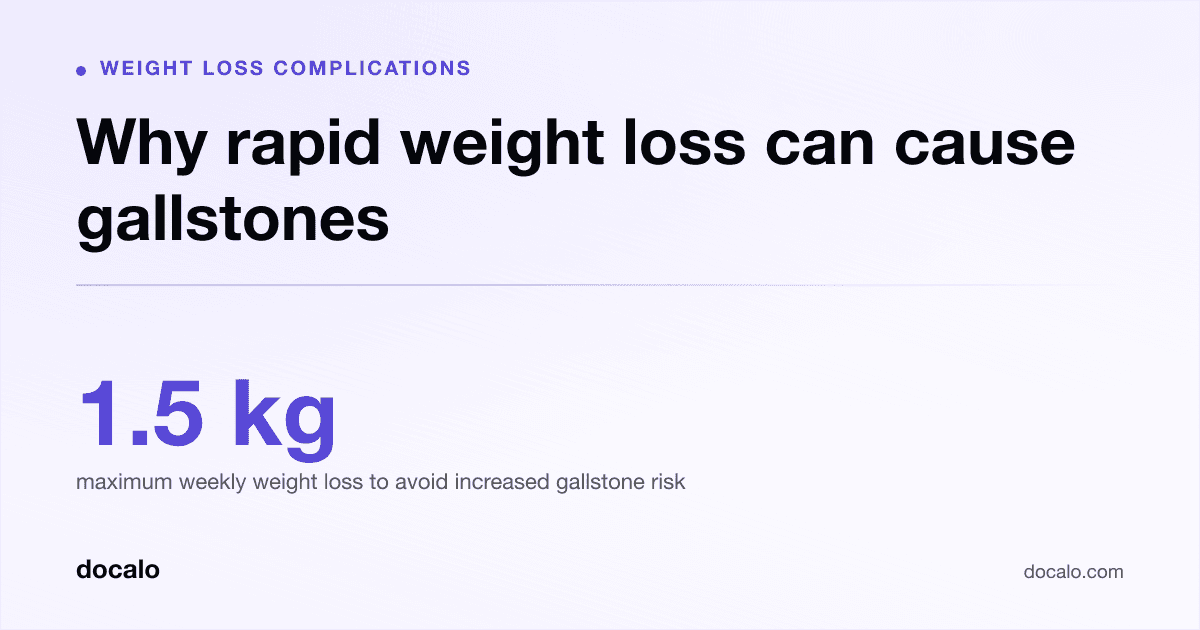
- Aim for gradual weight loss: A healthy and sustainable rate of weight loss is generally considered to be 0.5 to 1 kilogram per week. This allows for a calorie deficit that is significant enough to promote fat loss but not so extreme as to trigger excessive muscle breakdown.
- Calculate your needs: Consider consulting with a healthcare professional or registered dietitian to help determine an appropriate calorie target for your individual goals and activity level.
4. Ensure Adequate Sleep
Sleep is often overlooked but plays a vital role in recovery and hormone regulation, both of which impact muscle preservation.
- Aim for 7-9 hours: Prioritize getting 7 to 9 hours of quality sleep per night. Poor sleep can disrupt hormones that regulate appetite and muscle protein synthesis, potentially leading to increased muscle loss and difficulty managing hunger.
5. Stay Hydrated
Water is essential for countless bodily functions, including nutrient transport and metabolic processes that support muscle health.
- Drink plenty of water: Ensure you're drinking enough water throughout the day. Dehydration can impair physical performance and overall metabolic function.
6. Manage Stress
Chronic stress can elevate cortisol levels, a hormone that, in excess, can contribute to muscle breakdown and fat storage.
- Implement stress-reducing techniques: Practice mindfulness, meditation, yoga, or spend time in nature to help manage stress levels.
The Role of Peptides in Muscle Health (Under Medical Supervision)
Beyond diet and exercise, some individuals explore advanced therapies under strict medical supervision. Certain peptides, which are chains of amino acids, are being studied for their potential roles in various physiological processes, including those related to muscle maintenance and growth. For instance, some peptides are involved in regulating growth hormone secretion, which can influence body composition. However, it is crucial to understand that these are not over-the-counter supplements. Any consideration of such treatments should only occur within a clinical setting, prescribed and monitored by a licensed medical doctor, as part of a comprehensive treatment plan. They are not a substitute for fundamental lifestyle changes like proper nutrition and exercise, and their use is subject to strict medical guidelines and regulatory approval.
How Docalo can help
Navigating weight loss while preserving muscle can be complex, and having professional support can make a significant difference. Docalo offers a comprehensive membership designed to support you on your health journey. For EUR49 per month, you gain access to clinician review, care-team messaging, progress tracking, refill support, and pharmacy coordination. If you are considering medical weight management, a licensed doctor will assess your health profile and decide if treatment is appropriate for you. If the doctor determines that medical treatment is not suitable, you will receive a full refund of your membership fee. Our goal is to provide personalized, medically-guided care to help you achieve your health goals safely and effectively.
Docalo membership is EUR49/month with ongoing medical review. If the doctor decides treatment is not appropriate, you receive a full refund.
Consult DocaloCOMMON QUESTIONS
Frequently asked questions
Yes, it is possible, especially for beginners or those returning to training after a break. This process is often called 'body recomposition.' It requires a careful balance of adequate protein intake, consistent strength training, and a moderate calorie deficit. However, for experienced lifters, building significant muscle while in a deficit can be more challenging.