Weight loss
Sleep and Appetite: How Poor Sleep Drives Weight Gain
Explore the link between sleep quality and appetite. Learn how poor sleep disrupts hormones, increases cravings, and contributes to weight gain, and.
Aug 7, 2026
DIRECT ANSWER
An online consultation lets an EU-licensed doctor review your case and, if appropriate, issue a prescription that is valid across the EU.
Less than 4 hours on average
Prescription issued in less than 4 hours on average if approved.
EU-licensed doctors
Every case is reviewed by a licensed clinician.
Valid across the EU
Approved prescriptions can be used at any EU pharmacy.
In this article
HOW IT WORKS
From consultation to collection
- 1
Step 1
Consultation
Answer a secure medical questionnaire online.
- 2
Step 2
Doctor reviews
An EU-licensed doctor personally assesses your case.
- 3
Step 3
Prescription in less than 4 hours on average
If approved, your prescription is issued in less than 4 hours on average.
- 4
Step 4
Collect at any EU pharmacy
Use an approved prescription at a pharmacy anywhere in the EU.
### Key Takeaways Poor sleep disrupts appetite hormones: Lack of sleep can increase ghrelin (the hunger hormone) and decrease leptin (the satiety hormone), leading to increased appetite and cravings. Sleep deprivation affects food choices: When tired, individuals often crave high-calorie, high-sugar, and high-fat foods, making healthy eating more challenging. Metabolism can slow down: Chronic sleep deprivation may impact metabolic rate, making it harder for the body to burn calories efficiently. Increased stress and insulin resistance: Poor sleep elevates cortisol levels, which can promote fat storage, and may contribute to insulin resistance, further complicating weight management. * Prioritizing sleep is crucial: Integrating good sleep hygiene into your routine is a vital, often overlooked, component of a holistic approach to weight management and overall health.
A licensed doctor reviews your questionnaire and decides if treatment is appropriate for you.
Start consultationIt's a common scenario: you've had a restless night, and the next day, you find yourself reaching for an extra coffee, battling brain fog, and perhaps, inexplicably craving sugary snacks or a large, comforting meal. While the immediate effects of poor sleep on energy and mood are well-known, many people don't realize the profound impact that insufficient or disrupted sleep can have on their appetite and, consequently, their weight.
The relationship between sleep and appetite is far more intricate than simply feeling tired. It involves a complex interplay of hormones, brain activity, and behavioral patterns that can significantly influence your food choices, hunger levels, and metabolic health. Understanding this connection is a crucial step for anyone looking to manage their weight effectively and improve their overall well-being.
The Hormonal Link: Ghrelin and Leptin
At the heart of the sleep-appetite connection are two key hormones: ghrelin and leptin. These hormones act as your body's internal communicators, signaling hunger and fullness to your brain.
Ghrelin: The Hunger Hormone
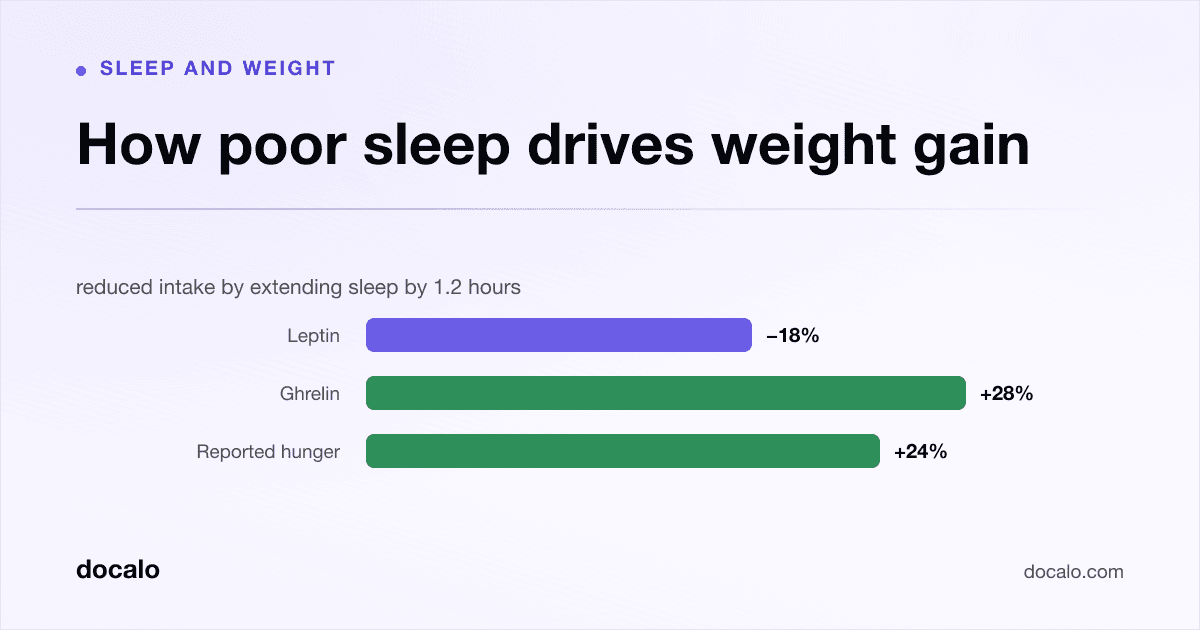
Ghrelin is primarily produced in the stomach and is often referred to as the "hunger hormone" because it stimulates appetite, promoting food intake. When you're sleep-deprived, your body tends to produce more ghrelin. This surge in ghrelin sends strong signals to your brain that you need to eat, even if your body doesn't genuinely require the extra calories.
Leptin: The Satiety Hormone
Conversely, leptin is produced by fat cells and plays a crucial role in signaling satiety, or fullness, to your brain. It helps regulate energy balance by inhibiting hunger. When you don't get enough sleep, your leptin levels tend to decrease. This reduction means your brain doesn't receive the usual strong signals that you're full, making it easier to overeat without feeling satisfied.
The combination of elevated ghrelin and reduced leptin creates a powerful biological drive to eat more, and to feel less satisfied after eating. This hormonal imbalance makes it incredibly challenging to stick to healthy eating patterns, even with the best intentions.
Impact on Food Choices and Cravings
Beyond the direct hormonal influence on hunger and satiety, sleep deprivation also affects the types of foods you crave and your ability to make healthy choices.
The Brain's Reward System
When you're tired, the reward centers in your brain, particularly those associated with pleasure and motivation, can become more active in response to food, especially high-calorie, palatable options. This means that foods rich in sugar, fat, and salt become even more appealing, offering a temporary boost in energy or mood that your sleep-deprived brain is seeking.
Impaired Decision-Making
Lack of sleep also impairs the function of the prefrontal cortex, the part of your brain responsible for executive functions like decision-making, impulse control, and planning. When this area is compromised, you're more likely to give in to cravings and make impulsive food choices, rather than opting for healthier, more nutritious options that require more conscious effort.
Increased Snacking and Portion Sizes
With increased hunger, reduced satiety, and a heightened desire for rewarding foods, it's not surprising that sleep-deprived individuals often report increased snacking throughout the day and tend to consume larger portion sizes at meals. These behaviors contribute directly to a higher overall calorie intake.
Metabolic Slowdown and Insulin Resistance
The effects of poor sleep extend beyond appetite regulation and food choices; they can also directly impact your metabolism and how your body processes energy.
Reduced Energy Expenditure
While the impact is often subtle, chronic sleep deprivation can lead to a slight decrease in your resting metabolic rate. This means your body burns fewer calories at rest. Combined with reduced physical activity often associated with fatigue, this can contribute to a positive energy balance, making weight gain more likely.
Insulin Sensitivity
Sleep deprivation can also negatively affect insulin sensitivity. Insulin is a hormone that helps your body use glucose (sugar) for energy. When insulin sensitivity decreases, your cells don't respond as effectively to insulin, leading to higher blood sugar levels. To compensate, your pancreas produces more insulin, which can promote fat storage, particularly around the abdomen. Over time, this can increase the risk of developing insulin resistance and type 2 diabetes.
Elevated Cortisol Levels
Poor sleep is a stressor for the body. In response to stress, your body releases cortisol, often called the "stress hormone." Chronically elevated cortisol levels can promote the accumulation of visceral fat (fat around your organs) and can also stimulate appetite, creating a vicious cycle.
Practical Strategies to Improve Sleep for Weight Management
Given the strong link between sleep and appetite, prioritizing good sleep hygiene is a powerful, yet often overlooked, strategy for weight management and overall health. Here are some practical steps you can take:
- Establish a consistent sleep schedule: Go to bed and wake up at roughly the same time each day, even on weekends. This helps regulate your body's natural sleep-wake cycle (circadian rhythm).
- Create a relaxing bedtime routine: Wind down with activities like reading, taking a warm bath, or listening to calming music. Avoid stimulating activities like intense exercise or stressful work before bed.
- Optimize your sleep environment: Ensure your bedroom is dark, quiet, and cool. Consider blackout curtains, earplugs, or a white noise machine if needed.
- Limit screen time before bed: The blue light emitted from phones, tablets, and computers can interfere with melatonin production, a hormone essential for sleep. Try to avoid screens for at least an hour before bedtime.
- Watch your diet and drink intake: Avoid heavy meals, caffeine, and alcohol close to bedtime. While alcohol might make you feel drowsy, it can disrupt sleep quality later in the night.
- Incorporate regular physical activity: Exercise can improve sleep quality, but try to finish vigorous workouts several hours before you plan to sleep.
- Manage stress: Practice stress-reducing techniques like meditation, deep breathing, or journaling to calm your mind before sleep.
If you consistently struggle with sleep despite implementing these strategies, or if you suspect an underlying sleep disorder, it's important to consult with a healthcare professional. Addressing sleep issues can be a transformative step in your journey towards better health and sustainable weight management.
How Docalo can help
At Docalo, we understand that weight management is a multifaceted journey that often involves more than just diet and exercise. Our holistic approach considers various factors, including the crucial role of sleep, in your overall health. Our licensed doctors provide personalized guidance and support tailored to your unique needs.
For EUR49/month, a Docalo membership includes regular clinician reviews, secure messaging with your care team, progress tracking tools, and support with medication refills and pharmacy coordination. A licensed doctor reviews every consultation and decides if treatment is appropriate for your individual situation. If the doctor determines that treatment is not appropriate, you will receive a full refund. Please note that any prescribed medication is paid separately at the pharmacy.
Docalo membership is EUR49/month with ongoing medical review. If the doctor decides treatment is not appropriate, you receive a full refund.
Consult DocaloCOMMON QUESTIONS
Frequently asked questions
Lack of sleep disrupts hormones that control hunger and fullness. It increases ghrelin (the hunger hormone) and decreases leptin (the satiety hormone), leading to increased appetite and cravings. It can also affect your metabolism, stress hormones, and ability to make healthy food choices.